

The Lab: Understanding Your Results

Decoding your liver health in 2026 requires a mix of standard blood work and the latest non-invasive diagnostic tools. This page helps you understand what those numbers mean and why specific tests are used.
Modern liver care has shifted from invasive biopsies to "Liquid Biopsies" (blood scores) and high-tech imaging. Here is how to navigate the diagnostic landscape.
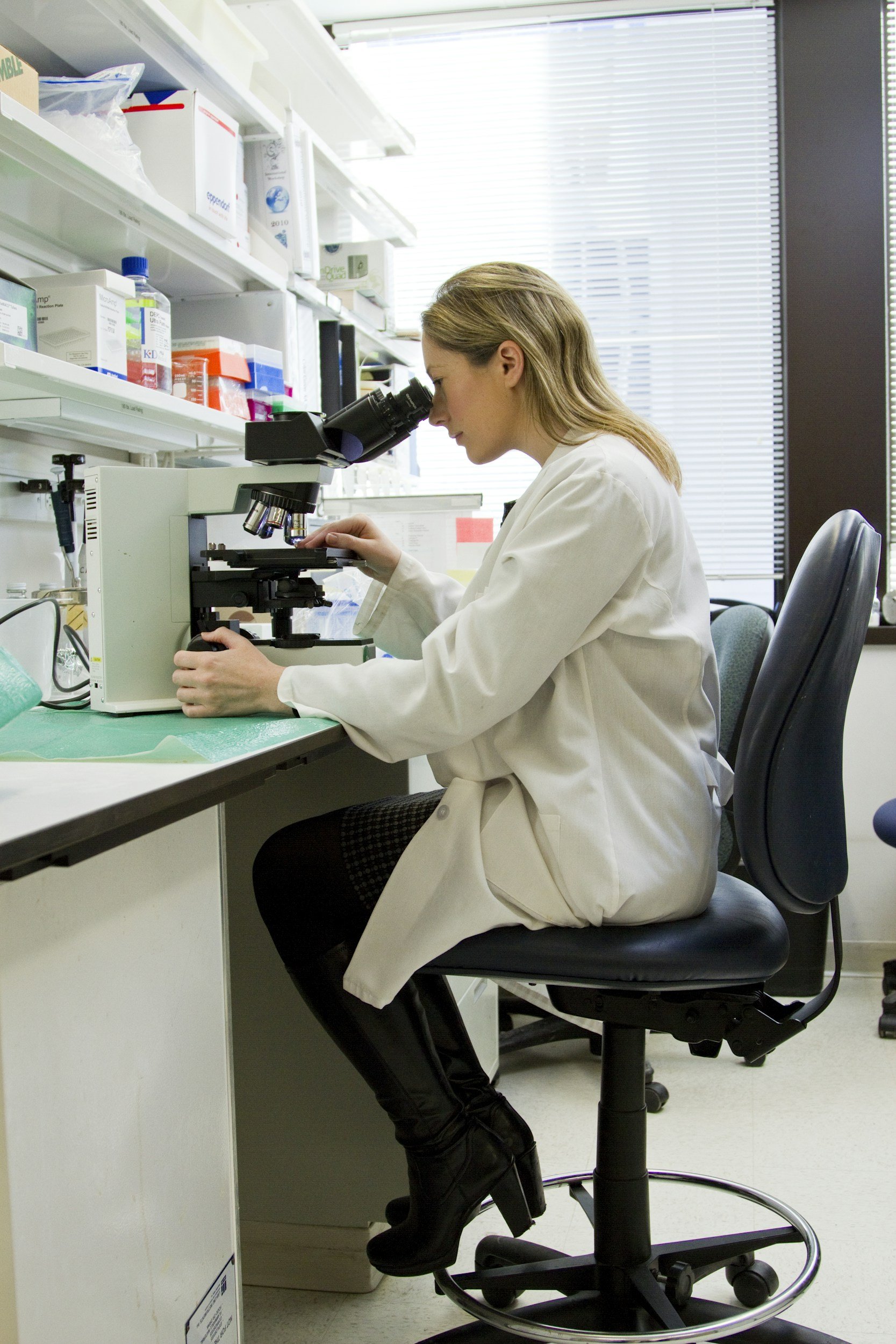
These enzymes are the "early warning system" for your liver. When liver cells are damaged or inflamed, they release these substances into your bloodstream.
The Standard Liver Panel Decoder
ALT: Alanine Aminotransferase
The most specific marker for liver cell damage.
AST: Aspartate Aminotransferase
Indicates damage, but can also come from heart or muscles.
Bilirubin: Waste from old blood cells
High levels cause jaundice (yellowing) and indicate bile flow issues.
Albumin
Albumin is a vital protein and Low levels suggest the liver is struggling to "manufacture" essentials.
The 2026 Breakthrough: The MAPI Score
One of the biggest challenges for doctors has been determining if liver damage is caused by metabolic factors (like diet) or alcohol use—especially when both are present.
MetALD-ALD Prediction Index (MAPI): Launched in early 2026 by researchers at UC San Diego, this score uses five standard lab values to accurately distinguish between metabolic-associated (MASLD) and alcohol-related (ALD) liver injury.
Why it matters: It allows for "Precision Medicine," ensuring you get the specific lifestyle or medical intervention that your body actually needs.
Screening Scores: FIB-4
Before ordering expensive scans, doctors use the FIB-4 Index. This is a simple calculation using your age, AST, ALT, and Platelet count.
Low Risk (<1.3): Usually means significant scarring is unlikely.
High Risk (>2.67): Indicates it is time for advanced imaging like a FibroScan or MRE.
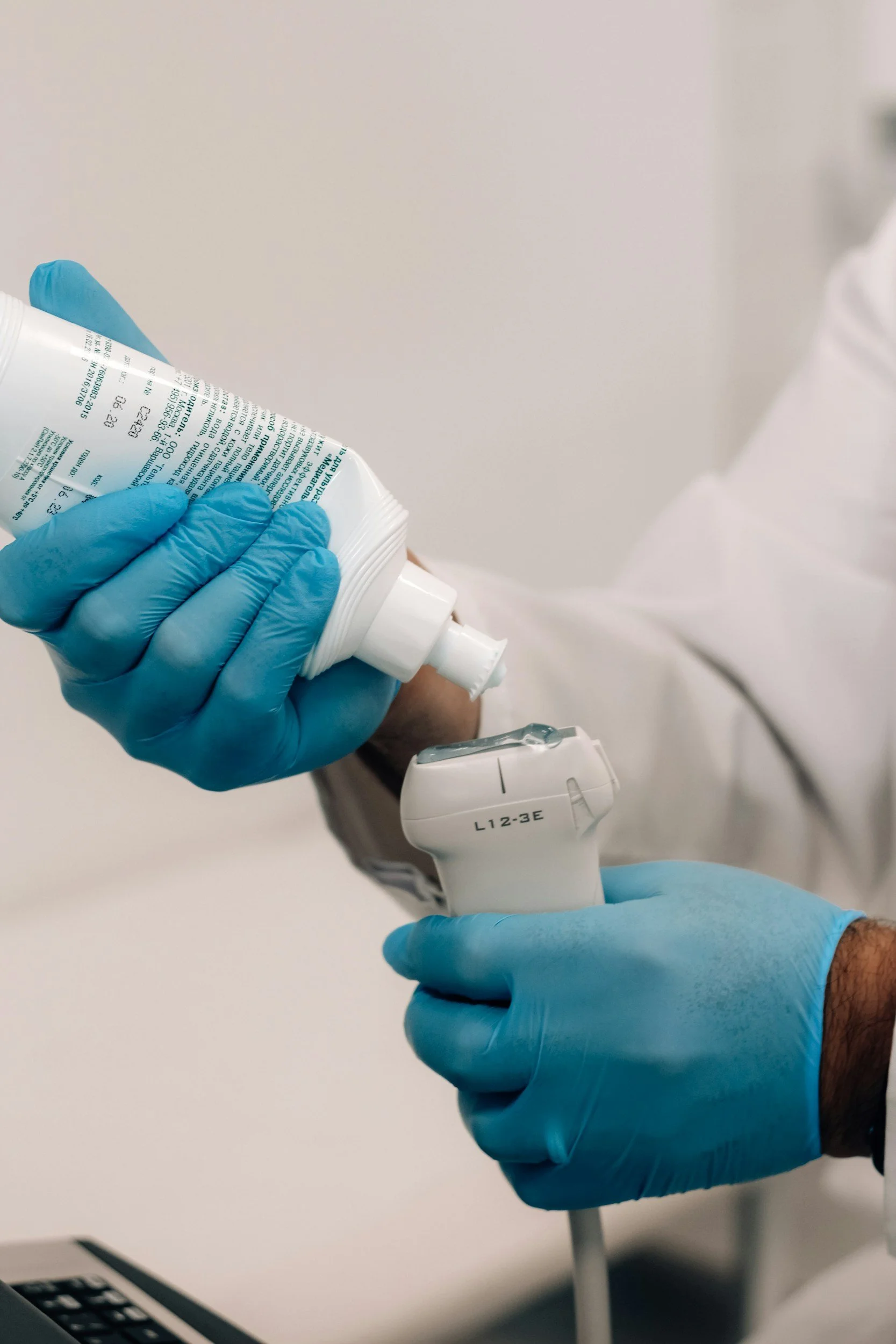
Advanced Imaging (The "No-Needle" View)
In 2026, we rarely need a physical biopsy to check for scarring (fibrosis).
FibroScan (VCTE): A specialized ultrasound that measures "liver stiffness." The stiffer the liver, the more scarring is present. It’s fast, painless, and done in the office.
MR Elastography (MRE): Considered the "Gold Standard" of non-invasive testing. It uses an MRI to create a visual map (an Elastogram) of your entire liver. It is particularly effective for patients with a higher BMI where traditional ultrasound may be less accurate.
When Should You Be Tested?
The American Association for the Study of Liver Diseases (AASLD) 2026 guidelines suggest screening if you have:
• Type 2 Diabetes or Prediabetes.
• Two or more metabolic risk factors (high blood pressure, high triglycerides, or obesity).
• Persistent unexplained fatigue or upper right abdominal discomfort.
References & Further Reading
UC San Diego Health (Feb 2026). "New MAPI Score Identifies Hidden Alcohol-Related Liver Disease."
AASLD National Initiative (March 2026). "Consensus Recommendations for Early Fibrosis Detection."
American Gastroenterological Association (2026). "Clinical Care Pathway for MASLD and MASH."
Journal of Hepatology (2025). "Advances in Non-Invasive Staging of Liver Fibrosis."